Central and South America Backpacking Budget Breakdown: How Much I Really Spent

You’ve decided to bite the bullet and go for it: the long awaited career break, the fabled adult gap year. You’ve decided where to go; you want to see the vistas of Patagonia, hike the Inca Trail, dance salsa in Colombia, sail to Panama’s San Blas islands, see the Mayan ruins of Tikal and experience the mind bending endlessness of the Uyuni Salt Flats in Bolivia. But how much does all this cost? Figuring out how much you need for a Central and South America backpacking budget is quite tricky.
I just returned from 7.5 months backpacking through Latin America on my year long career break, starting in South America and working my way up through to Central America. 225 days of incredible views, once in a lifetime experiences and stories to tell.
But before I left I found it very difficult to get accurate numbers for how much to save, especially from people I could trust travelled in the same way and style as me. So, I did you the solid of tracking everything I spent in the 10 countries I visited so I can give you a realistic and honest idea of how much to budget.
*This blog includes affiliate links. If you purchase something through one of my links, I will receive a small commission at no extra cost to you. Thank you for supporting me!*
My Travel Style: How I Travelled Around Central and South America
I’m a huge believer in taking advice from people who travel in the same way you do. If you’re a totally budget traveller who always cooks pesto pasta and doesn’t drink, we are going to have very different budgets and spends when travelling.
How My Travel Style Affects My Budget
I’m a bit of a boujie traveller: I love a Little Treat, enjoy eating out when travelling and I want my accommodation to meet my comfort levels but without cutting my trip in half because I spent too much on hotel rooms.
I’m a solo traveller, so that affects my budget too: private rooms are fewer and further between, whereas couples and friends travelling together can often get a private room for the same or just a tad more than the cost of two dorm beds. Unless I happen upon another traveller going the same way, any taxis needed are paid for solo, and there’s less opportunity to share groceries or a big meal out.
Whilst I stayed in hostel dorms for the majority of my time away, I did spend more on some hostels than some travellers would deem acceptable! I love a boutique hostel and I avoided the cheapest hostels as they tend to be both a bit too basic for my comfort levels and attract the youngest crowd. I would almost always pick a female dorm room, which are, outrageously, more expensive than mixed.
Whilst I’m not into fine dining or anything too fancy, food is a huge part of my enjoyment of travelling, and I spend a fair amount of money on it. I do sometimes cook when backpacking, and especially did in more expensive places like Patagonia, but lots of hostels I stayed in (particularly in Panama, Peru and Colombia) didn’t have kitchens. Often the food was too enticing to resist eating out a lot anyway! I love great coffee and a drink, so these two indulgences tend to affect my budget a lot too.
I scuba dive, which isn’t the cheapest hobby, but I’ve indicated this as a cost separate from other activities where relevant so you can easily see the impact on the budget.
When it comes to flights, for this trip I used my Avios points to fly business class to Argentina and back from Guatemala. The taxes for these flights probably came in around the same or less than what the economy option would have been if bought outright.
In a nutshell, I would generally would be considered a mid budget to flashpacker traveller. I’m a bit boujie at times and I spend on the things that mean a lot to me. If that sounds like you, this guide should give you accurate information about how much you need to save and budget for a backpacking trip around Latin America. If it’s not, you can read on in comfort you’ll be spending less than I did!
Why Latin America Suits Mid-Budget Travellers
The countries in Latin America are overall much more expensive to backpack around than Asia. This has led to the region traditionally attracting a slightly older crowd, and I would say that is very much still the case for the majority of the region; though more in South America than Central.
Younger backpackers tend to have less money to spend due to where they are with their careers; either near the beginning with little progression yet or they may not have even started, travelling fresh out of uni or school. Their money goes further in Asia, and Latin America suits travellers with more money to spend.
Where I Travelled in Latin America: My Route
I spent 225 days, or 7.5 months travelling Latin America: I started in South America and worked my way up to Central America. My trip began in Argentina and finished 10 countries later in Guatemala. The theory was to start my journey with the most expensive countries and work my way up to the cheaper ones…let’s see how that panned out!
South American Countries Visited and Time Spent In Each
The bulk of my time spent in Latin America was spent travelling in South America, spending just shy of 5 months working my way from Argentina up to Colombia.
|
COUNTRY |
LENGTH OF TIME |
|
Argentina |
6 weeks |
|
Chile |
2 weeks |
|
Bolivia |
2.5 weeks |
|
Peru |
4 weeks |
|
Colombia |
7 weeks |
Central American Countries Visited and Time Spent In Each
I spent just over 2.5 month travelling up from Panama to Guatemala.
|
COUNTRY |
LENGTH OF TIME |
|---|---|
|
Panama |
2.5 weeks |
|
Costa Rica |
4 days |
|
Nicaragua |
3 weeks |
|
El Salvador |
1 week |
|
Guatemala |
4 weeks |
The Total: What 7.5 Months in Latin America Cost Me
For over six months of Central and South America Backpacking Budget I knew I would need quite a lot more than Asia, and it would mean less luxury at the same time. I aimed to save as much as possible, but generally worked towards an average of £2000 per month before big ticket experiences like the Inca trail and the San Blas Sailing Trip.
Overall Spend
My overall spend for 7.5 months in Latin America plus essential spend prior to getting there was approximately £19,150. I feel a little sick typing that out to be honest, but I promised I would share my real spend to help other travellers plan and prepare for their own trip accurately.
|
PRIOR TO LEAVING |
TOTAL SPEND |
|
Flights (bought outbound and inbound with Avios points, paid for taxes) |
£430.50 |
|
Vaccinations |
£260 |
|
Travel Insurance |
£452.50 |
|
TOTAL SPEND PRIOR TO LEAVING |
£1143 |
|
DURING TRAVELS |
TOTAL SPEND |
|
Accommodation |
£3612 |
|
Food and Drink |
£6165 |
|
Transport |
£2919 |
|
Activities |
£3367 |
|
Miscellaneous |
£1936 |
|
TOTAL SPEND DURING TRAVELS |
£17,999 |
|
TOTAL SPEND FOR 7.5 MONTHS TRAVELLING LATIN AMERICA |
£19,142 |
I have not included any equipment in this budget; if you need a backpack, waterproofs, a down jacket or any other backpacker essentials then you’ll want to factor in more money into your budget for the pre-travel spend.
Average Monthly and Daily Costs By Country
Below you can find my actual spend by country. I’ve rounded up to the nearest 50p for ease and based the average monthly spend calculation on a 30 day month.
|
COUNTRY |
AVERAGE DAILY SPEND |
AVERAGE MONTHLY SPEND |
TOTAL SPEND |
|
Argentina |
£82 |
£2460 |
£3265 |
|
Chile |
£75 |
£2250 |
£1048.50 |
|
Bolivia |
£46 |
£1380 |
£745.50 |
|
Peru |
£100 |
£3000 |
£2797 |
|
Colombia |
£84 |
£2520 |
£4036 |
|
Panama |
£86 |
£2580 |
£1712 |
|
Costa Rica |
£70 |
£2100 |
£282 |
|
Nicaragua |
£72 |
£2160 |
£1510 |
|
El Salvador |
£74 |
£2220 |
£443 |
|
Guatemala |
£77 |
£2310 |
£2160 |
Things That Affected Spend By Country
There’s a lot of nuance for each countries’ spend; each of these will have their own detailed budget breakdown in due course (you can subscribe here so you don’t miss any of these). Here are a few notes that should be noted though:
Argentina
- Half cooked for myself, half ate out
- Flew a lot around the country
- Spent 9 days in an Air BnB in Buenos Aires near the start of my trip
- Spent a week in Argentinian Patagonia, one of the most expensive regions of South America
- Had to spend a lot on an emergency hotel due to a gas leak
Chile
- Spent a week in Chilean Patagonia, one of the most expensive regions of South America
- Groceries were expensive but better quality than in Argentina so better value overall
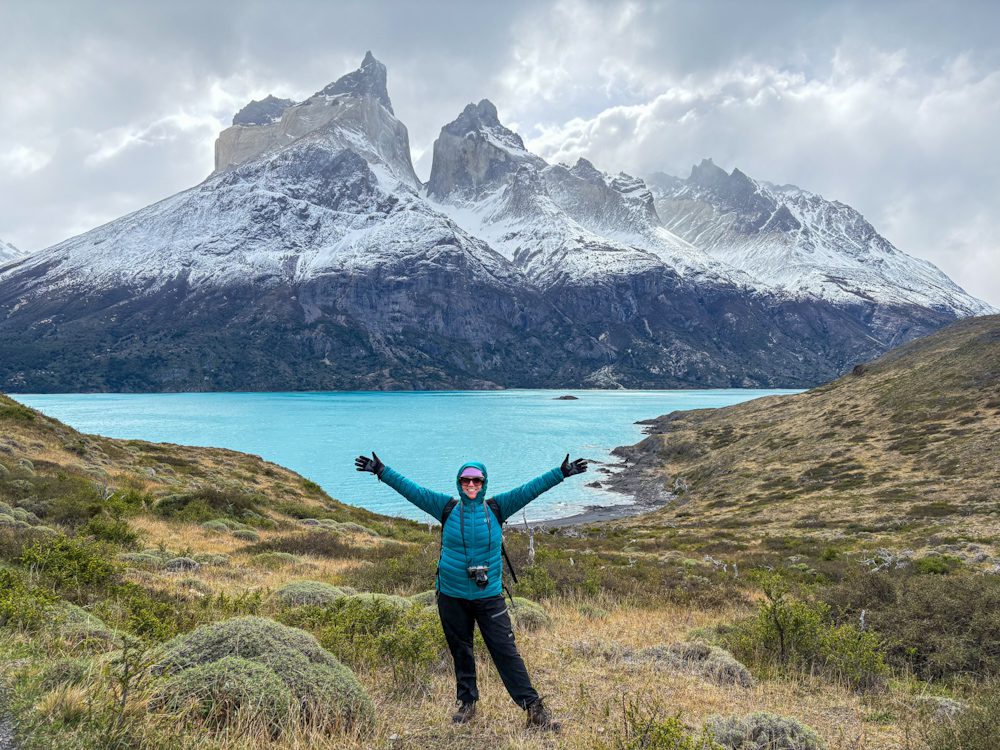
- Activities and entrance fees in Torres del Paine and San Pedro de Atacama were the biggest expense
Bolivia
- Was able to take advantage of the blue dollar rate, effectively doubling my money
- Eating out was so cheap I didn’t cook once
Peru
- Food was so good I didn’t cook once, though none of my hostels had kitchens either
- Heavy drinking and socialising part of my trip
- Without the Inca trail my daily spend would go from £99 to £68 per day; it was the most expensive activity I spent on during my travels
Colombia
- Spend was higher than expected here as a friend booked a last minute holiday to visit and we did pure holiday vibes for 10 days
- Prices overall were higher due to Christmas and New Year
- Flew to San Andres and Providencia which added a lot to my spend
- Went diving
Panama
- Without the San Blas sailing trip my daily spend would go from £86 to £67 per day
- Was very ill in Panama and spent half the time barely eating and not drinking, so daily spend was high considering
- Toiletries spend was very high as I needed to buy a lot of medicine
- Went diving, most expensive diving I did in the region
Costa Rica
- Purposefully spent very little time in Costa Rica as it’s infamous for being very expensive to travel
- Ate out once at a local soda, every other meal I cooked and I didn’t drink – a high daily spend considering
- Avoided a $99 shuttle into Nicaragua by managing to navigate the local bus and coach services
Nicaragua
- Flying to the Corn Islands added to my spend significantly (flight was approx £180)
- 20% tax and service added to meals in Granada affected spend heavily
- Spent over £100 on taxis I couldn’t avoid; could not split this cost due to being a solo traveller
- Splashed out on some unplanned private rooms
- Went diving
El Salvador
- Spent the week at the coast which is significantly more expensive than inland; cost would have balanced out more had I’d had time to travel inland
- Shuttles were expensive
- Emergency massage (yes really) due to a back spasm…travelling in your late 30s eh?!
Guatemala
- Shuttles across the country were expensive
- Opted for more boujie hostels
- Prices were more expensive over the Semana Santa (Easter) celebrations
- Did a lot of shopping and treated myself to some beauty treatments as it was the end of my trip
Latin America Budget Breakdown By Category
I spent more on eating out at restaurants than accommodation, which shows you where my priorities lie!
|
CATEGORY |
TOTAL SPEND |
|
Accommodation: Shared Dorms |
£2195 |
|
Accommodation: Private |
£1417 |
|
Restaurants |
£3999 |
|
Drinks |
£1264 |
|
Groceries |
£648 |
|
Coffee |
£254 |
|
Flights |
£1345 |
|
Buses |
£858 |
|
Taxis and Car Hire |
£654 |
|
Boats |
£62 |
|
Activities and Sightseeing |
£1405 |
|
Diving |
£375 |
|
Inca Trail |
£881 |
|
San Blas Sailing Trip |
£706 |
|
Shopping |
£673 |
|
Gym |
£17 |
|
Beauty treatments |
£434 |
|
Laundry |
£177 |
|
Data |
£191 |
|
Toiletries |
£322 |
|
Fees and Charges |
£122 |
Accommodation Costs in Latin America
Types of Places I Stayed
As much as I am well into my 30s and really appreciate my own space and some privacy, I stayed in hostel dorms for the majority of my time backpacking around Latin America. I would much rather see more countries than have half the time away because I insisted on paying for private rooms all the time. I did opt for some seriously boujie hostels at times though, which come at a higher price.
Earlier in my trip I sprung for an Air BnB for some time in Buenos Aires and again in Sucre, Bolivia, and I would have done this more had I not been spending more than I anticipated in general. I made sure to treat myself to a private room when I returned to Cusco after completing the Inca trail, and I splashed out for a private room if I felt I was losing it after being in dorm rooms too long.
Less common, but in some places dorms weren’t an option: Isla del Sol and Providencia come to mind. On the Corn islands the vast majority of accommodation is private rooms too; there is one basic dorm on each island and basic private rooms didn’t cost much more.
You can see the breakdown of private rooms vs hostel dorms as follows. Note that some nights aren’t accounted for as they were included in the cost of various tours or spent on overnight buses.
|
TYPE OF ACCOMMODATION |
NUMBER OF NIGHTS |
|
Hostel Dorms |
153 |
|
Private Rooms |
43 |
|
Air BnB |
14 |
Average Nightly Cost of A Hostel By Country
Hostels varied greatly by country; Argentina, Chile and Bolivia were pretty basic, with fancier options with better facilities becoming available from Peru upwards. There are some amazing boujie design hostels that are well worth the extra spend, especially in Guatemala, Panama, Colombia and Peru.
It’s important to note here that this is the average calculated spend. Hostels on the coast tended to be more expensive; rural places are generally cheaper overall. Christmas, New Year and Easter meant higher costs for hostels too, especially over Semana Santa (Easter) in Guatemala.
|
COUNTRY |
AVERAGE NIGHTLY COST |
|
Argentina |
£11 |
|
Chile |
£13 |
|
Bolivia |
£6 |
|
Peru |
£12 |
|
Colombia |
£15 |
|
Panama |
£16 |
|
Costa Rica |
£16 |
|
Nicaragua |
£12 |
|
El Salvador |
£22 |
|
Guatemala |
£21 |
The Cost of Food and Drink in South and Central America
Eating Out In Latin America
The cost of eating out varies greatly by country. The most expensive countries to eat out are Argentina, Costa Rica, Chile, Panama and surprisingly, Nicaragua – though this did seem to be more in Granada specifically. The cheapest place to eat out was Bolivia and the more rural areas of Colombia, where you could often get a fantastic menu del dia (menu of the day) for £3.50. The cities and the coastline of Colombia were pricier.
My favourite place to eat was Peru; both the local food and international cuisine was delicious and the best value out of everywhere. None of the hostels I stayed in had kitchens but I couldn’t have cared less as I never wanted to miss out on the amazing food scene! Food in Antigua, Guatemala was of a similar cost and value as Peru.
Utilising Hostel Kitchens in Latin America
Some hostels in Latin America are better served with kitchens for guest use, and others not as much as you may hope! Every hostel I stayed at in Argentina and Chile had kitchens, but that was about it. The hostels I stayed in whilst in Peru didn’t have kitchens, in Colombia a couple did but mostly not.
Chain hostels like Viajero and Masaya are less likely to have kitchens for guest use; much of their business model is to make money from their onsite bar and restaurants. There are exceptions to this rule though – the Viajero in Medellin and in San Jose both had kitchens.
In short, kitchens are not a given. You can filter out hostels with kitchens on Hostelworld, so if you’re keen to cook for yourself for the majority of the time, definitely use that feature. It’s an excellent way to save money, and particularly good if you’re cooking for more than one person. I travelled with these brilliant alternatives to Tupperware, they’re flexible so they’re space saving and you can put them straight into the microwave for leftovers.
Drinking Costs and Nightlife in Latin America
In most countries you can get a beer for £1-2, and loads of places do a decent happy hour. Panama and Costa Rica felt significantly more expensive if you wanted to drink; I only had one non alcoholic beer in Costa Rica and that alone was $7!
In Argentina and Chile you must take advantage of the cheap supermarket prices of excellent wine if you’re a wine drinker.
Transport Costs In Latin America
Flight Costs within Latin America
I mostly try to overland when backpacking via coach and overnight sleeper buses, but distances in South America are huge and often flights are actually the more economical option.
Some routes in Argentina were only possible by plane (i.e. Buenos Aires down to El Calafate in Patagonia), and some flights were about the same price as an 18 hour bus (between El Calafate to Bariloche). In short, if you’re travelling around Argentina extensively, a decent wedge of your budget will go on flights – I spent £535 which was more than I expected, even with booking as far in advance as I could plan.
As per the usual rule, booking further in advance gets you a better price, though I appreciate that when you’re travelling you want to keep things as flexible as possible, so just try to strike the balance.
Buses, Shuttles and Overnight Coach Travel Costs in Latin America
My total spend including everything from local buses, overnight coaches and tourist shuttles was £858, which comes out as approximately £114 per month on average.
Costs of Buses in Central America
In Central America transport was expensive; a shock to the system. Many of the journeys were a choice between 2-4 local buses that had to link up at specific times to avoid an overnight stay somewhere and a direct tourist shuttle that would often cost upwards of £50 ($70-80) per person, which would still take many hours!
In Guatemala I spent £154 for the four 4 weeks I was there; the shuttles really add up and it’s very difficult to get around by local bus given the distances between the tourist hot spots.
Costs of Buses in South America
In South America bus transportation was cheaper, and most overnight buses were around the £25 mark. In honesty, I hated taking the overnight buses in Bolivia and Peru; the roads are not good and the driving can be crazy. If you can find a cheap fight between the likes of Arequipa and Cusco and Lima and Cusco, do that instead. By contrast, I took an overnight bus in Guatemala which was comfortable and felt much safer, but it cost a hefty £55.
The exception to South America being cheaper is down in Patagonia, where buses are expensive; it cost me £60 to get between Puerto Natales in Chile to El Chalten in Argentina. The bus on from El Chalten to Bariloche was around £80, so if you can book a flight for around the same cost you’ll save yourself an uncomfortable 18 hour journey.
Taxis in Latin America
Taxis in South America are very reasonable; it never felt particularly steep to catch a cab solo during my time there. Different countries use different apps, but generally Uber, Cabify and inDrive will get you good prices on taxis.
In Central America taxis are more expensive; Nicaragua in particular saw me needed to take a few $25 or $40 taxis by myself, which when you’re on a backpacker budget eats into your daily spend a lot. If you can share a taxi, either because you’re travelling with someone or you’ve found somewhere travelling the same direction, great, but it’s not always possible and can affect your budget.
Activities, Tours and Experiences
Activities will – and should be – one of the areas you spend a large amount of your budget. What is the point of travelling halfway round to not actually do anything, especially bucket list experiences like hiking the Inca trail.
Most Expensive Experiences I Spent On: Were They Worth It?
I spent a lot on two big bucket list experiences whilst travelling: sailing from Colombia to the San Blas islands in Panama, and hiking the Inca trail in Peru. Both experiences together totalled the same amount as all the other activities, tours and sightseeing I did combined!
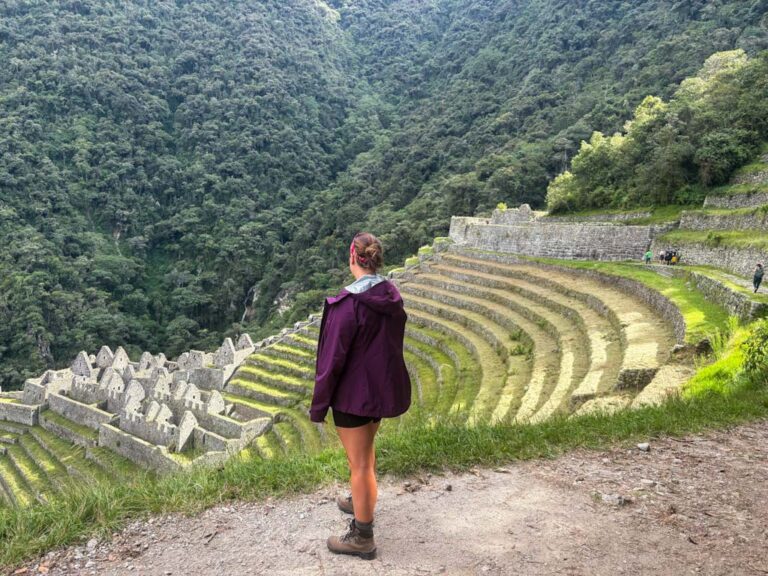
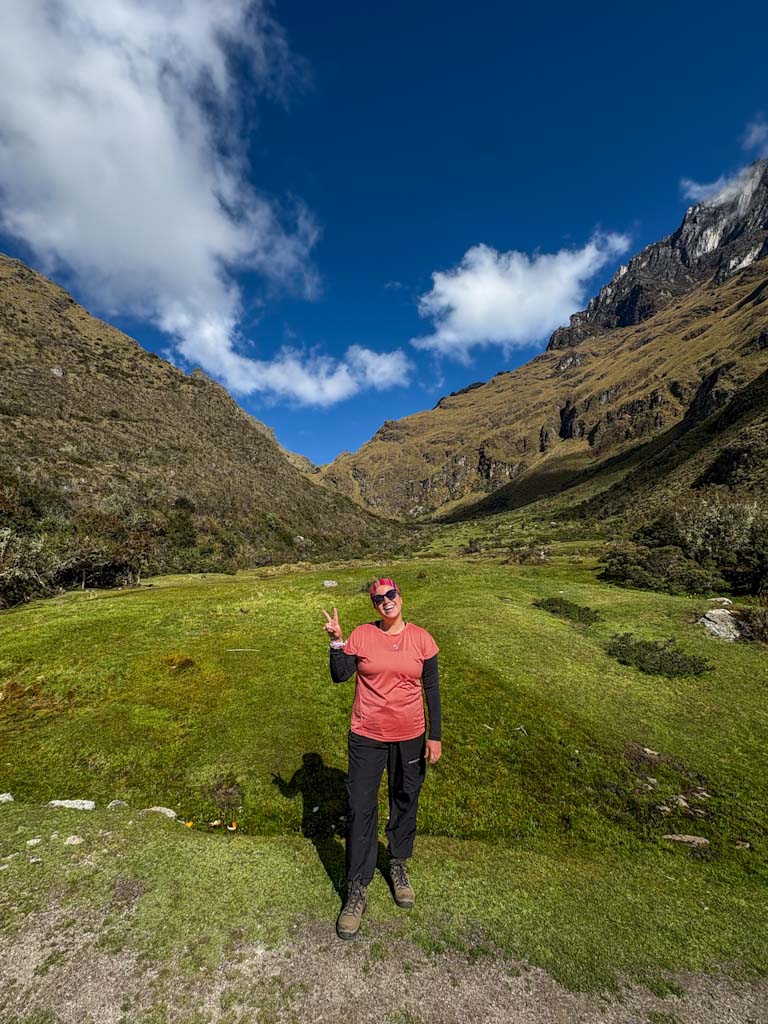
I paid £881 for the Inca trail, which included tips and anything I needed to buy for the hike in advance. It was 100% worth it. I never considered doing the cheaper option of the Saltankay hike; even though both end at Machu Picchu, the Inca trail is the original route the Incas travelled and has multiple archaeological sites you can only see by doing the hike. As a history lover, it was a non negotiable, and it was the best (and hardest!) thing I did on my whole career break.
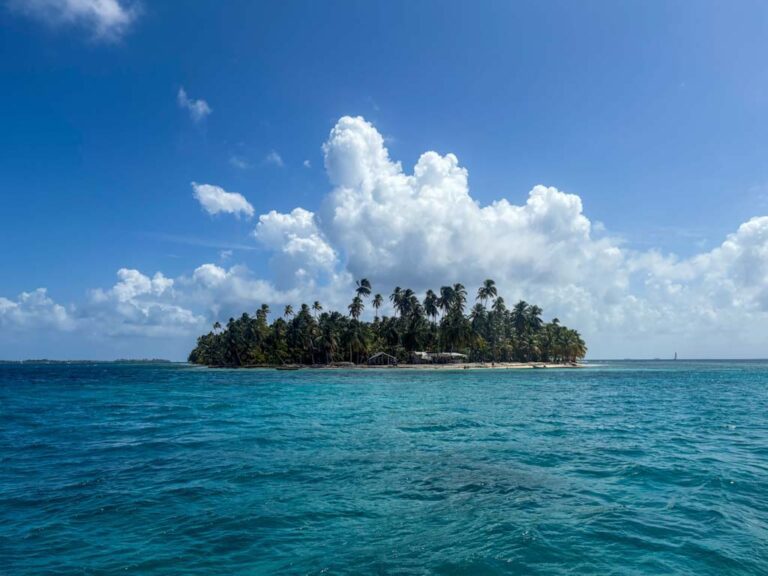
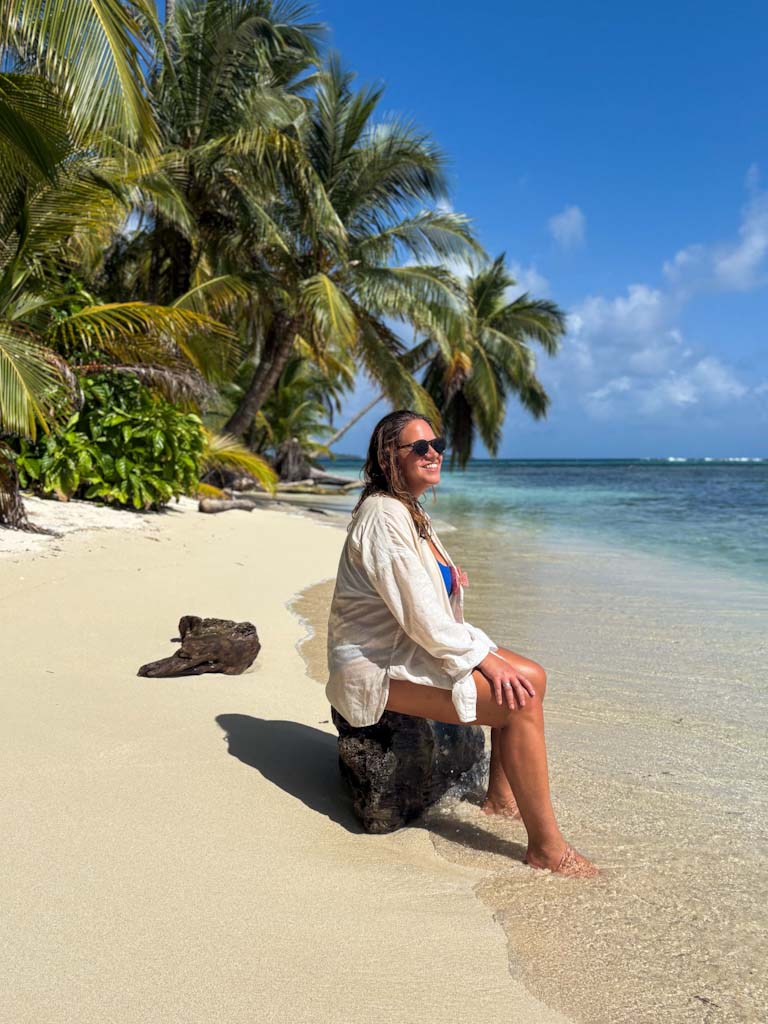
The sailing trip I did cost £706 all in for 5 days and 5 nights, but felt less worth the money due to a few factors. The trip vibes and food vary a lot depending on which boat you pick – it doesn’t seem like there is a huge amount of consistency across them, and we had technical issues that were not identified early enough and did affect our trip. Were I to return to Panama I would do a shorter (and cheaper trip) out of Panama City. The San Blas islands shouldn’t be missed – they are stunning.
Mid Range Activities and Tours
Other tours with a heftier price tag than a regular day trip or activity included a 2 night 3 day trip between San Pedro de Atacama in Chile to the Uyuni Salt Flats in Bolivia, which is a must. I did the tour with Tambo Loma, who I highly recommend, and paid £156 for the trip, including accommodation and meals.
I spent £150 on the 4×4 Acatenango Tour in Guatemala to see the active volcano Fuego erupting. A stunning sight to see, but a very badly run tour that was all outsourced by one company who overbooked it, served the most basic food on any tour I did on my travels and had guides who woke us up in the middle of the night. Great to skip the brutal hike, but worth spending a more on one of the more ‘luxury’ options.
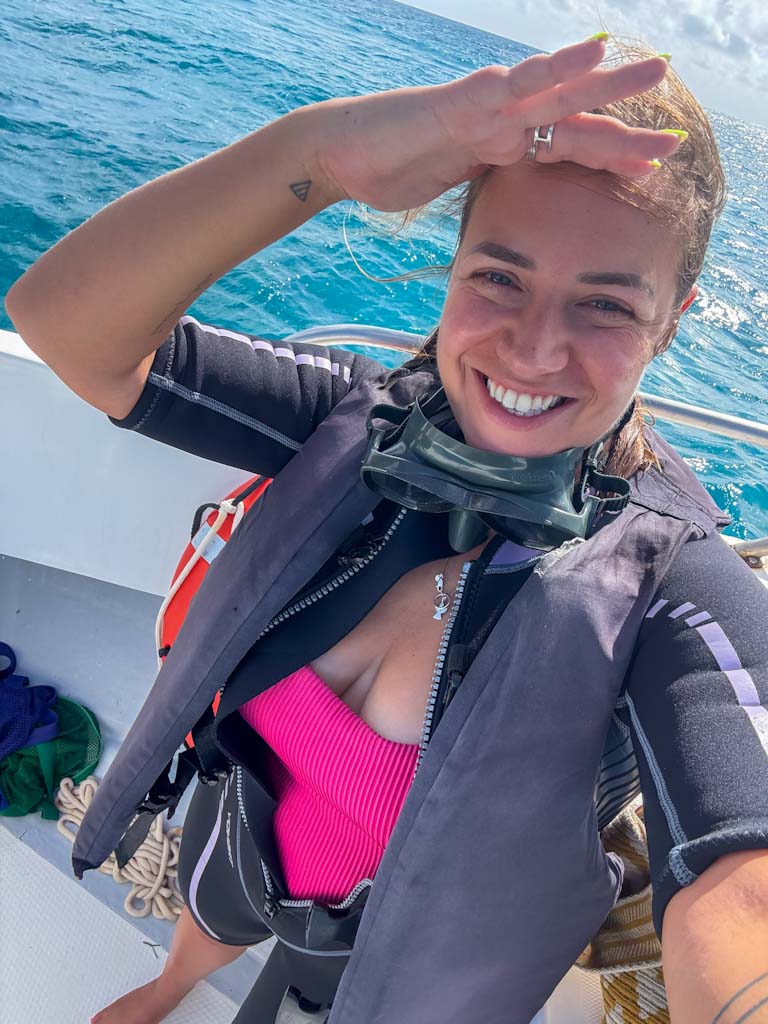
I spent £350 on 9 dives, the most expensive ones being in Coiba National Park off of Santa Catalina in Panama. £143 for 3 dives, but some of the best of my life – finally saw the elusive whale shark whilst diving, a huge bucket list moment for me!
Free and Cheap Things To Do
There are loads of ways to keep yourself entertained for free or for a cheap price, especially in lots of cities. Museums in Colombia were free or no more than £1 entry, and you can find free walking tours on offer at your hostel or via platforms like GuruWalk; though please bear in mind a tip for the guide is expected (and only fair!)
Lots of hostels will arrange social events, day trips and activities like dance or yoga classes for a small fee or for free. One of my favourite solo activities is to go out with my camera to do some photography, though I wouldn’t risk taking your camera out in big cities in Latin America, stick to nature and small towns.
Other Costs That Took Me By Surprise
Toiletries in general were pricier in a lot of places than I expected, I assume as so many as imported, but the price of suncream abroad in particular is always shocking. Even the local brands were double what you would pay for a bottle of Soltan in Boots, whilst a brand like Nivea would regularly be between £15-20 for a bottle.
I was really surprised by the cost of Nicaragua in general; especially the cost of food in Granada and taxis. I paid $40 each way for a taxi I needed to the airport as the buses didn’t match up, and I had been warned the capital Managua wasn’t particularly safe for female travellers. Lots of people talked about Nicaragua being cheap but I honestly don’t know where they were getting that from!
The added cost of tax to a bill in Panama, Costa Rica and Nicaragua. This shows the influence of the United States in the region and the popularity of these countries amongst American tourists. The assumption of tips in many of the countries wasn’t something I was used to, used as I am to travelling around Europe. Those additions can hike up your daily spend quickly.
Things That Were Cheaper Than I Expected
Not much! Hostels in Argentina were a lot cheaper than I expected, though this could have been due to travelling in low season. The spend in Argentina gets expensive when it comes to food, flights and general costs in Patagonia.
Things That Were More Expensive Than I Anticipated
I thought Central America would feel significantly cheaper than South America but it didn’t, and in some areas more expensive (hostels, transport, added taxes on restaurants etc). Overall everywhere was more expensive than I expected it to be, and I had to cull the hope to have a private room every couple of weeks due to budget.
I spent quite a lot more on flights than I anticipated, totalling £1345 across the 7.5 months, and not including flights to and from the UK. Committing to dates far in advance helps get you better prices, but you lose the element of flexibility.
I ended up spending more on boujie hostels towards the end of my trip but this felt very worth it: I had lost patience with more basic accommodation and after Nicaragua I felt I would be more likely to meet older travellers in more expensive hostels in Guatemala, which was absolutely true!
How Much Money Do You Need to Backpack Central and South America? Final Thoughts
Whilst costs vary from country to country and it depends on your travel style, I’d allow £2000 per month as a minimum, going up to £2500 per month if you’re a bit more boujie, like a Little Treat and if you’re a solo traveller who wants to splash out on a private room from time to time.
You can absolutely do it for less, but it will mean sacrificing eating out and having more pesto pasta cooked in the hostel kitchen, basic dorm rooms that sleep more people and choosing alternatives to the big ticket bucket list activities. You could do the cheaper Salkantay trek over the famous Inca trail and do a shorter trip to the San Blas islands out of Panama City rather than sailing from Colombia. Choose what’s important to you and adjust accordingly, though I hope this has given you a realistic insight into an honest budget breakdown for backpacking Latin America.
FAQs: Budget Breakdown for Central and South America Backpacking
How much does it cost per day to backpack South and Central America?
This depends hugely, especially when it comes to your travel style, but also whether you’re travelling solo or in a couple/with friends – solo travellers tend to spend a bit more. I am a mid-flashpacker solo traveller, and I spent an average of £80 per day in Latin America.
What’s a good monthly budget for A Latin America trip overall?
Whilst countries vary, I’d recommend £2.5k per month if you travel in the same style I do and you’re a solo traveller. You could reduce this to £2k a month but you will need to cook more, avoid drinking, buying good coffee and cut some of the bigger cost activities like the Inca Trail, sailing between Colombia and San Blas and diving.
If you’re in a couple, sharing the cost of accommodation, taxis and in some cases meals will reduce your monthly spend.
Which countries are the cheapest to backpack in South America?
Of the countries I visited, Bolivia was by far the cheapest country I backpacked in South America, in part due to the blue dollar rate I was able to take advantage of.
Which countries are the cheapest in Central America?
Everyone says Nicaragua is super cheap but I did not find that at all! By comparison to Costa Rica and Panama, Nicaragua, El Salvador and Guatemala are cheaper, but I wouldn’t call them cheap backpacking destinations.
Central America was more expensive than I expected, and not as good value for the spend.
How much is transport in Latin America?
Expensive; flights are required for lots of South America – particularly in Argentina, where flights can be the same price or cheaper than very long bus options, and sometimes flying is the only option.
The tourist shuttles in Central America are expensive and whilst I would usually opt for local buses over these, it would often be a choice between a direct minibus shuttle or 3 connecting local buses taking a much longer time (and the shuttles aren’t necessarily quick!) Transport adds up.
How does Latin America compare to backpacking South east Asia on a budget?
Latin America is not only pricier to travel than South East Asia, but you will get a lot more value for your money in Asia. Because of this, Latin America tends to attract older travellers with a bit more money to spend.
Pin For Later: